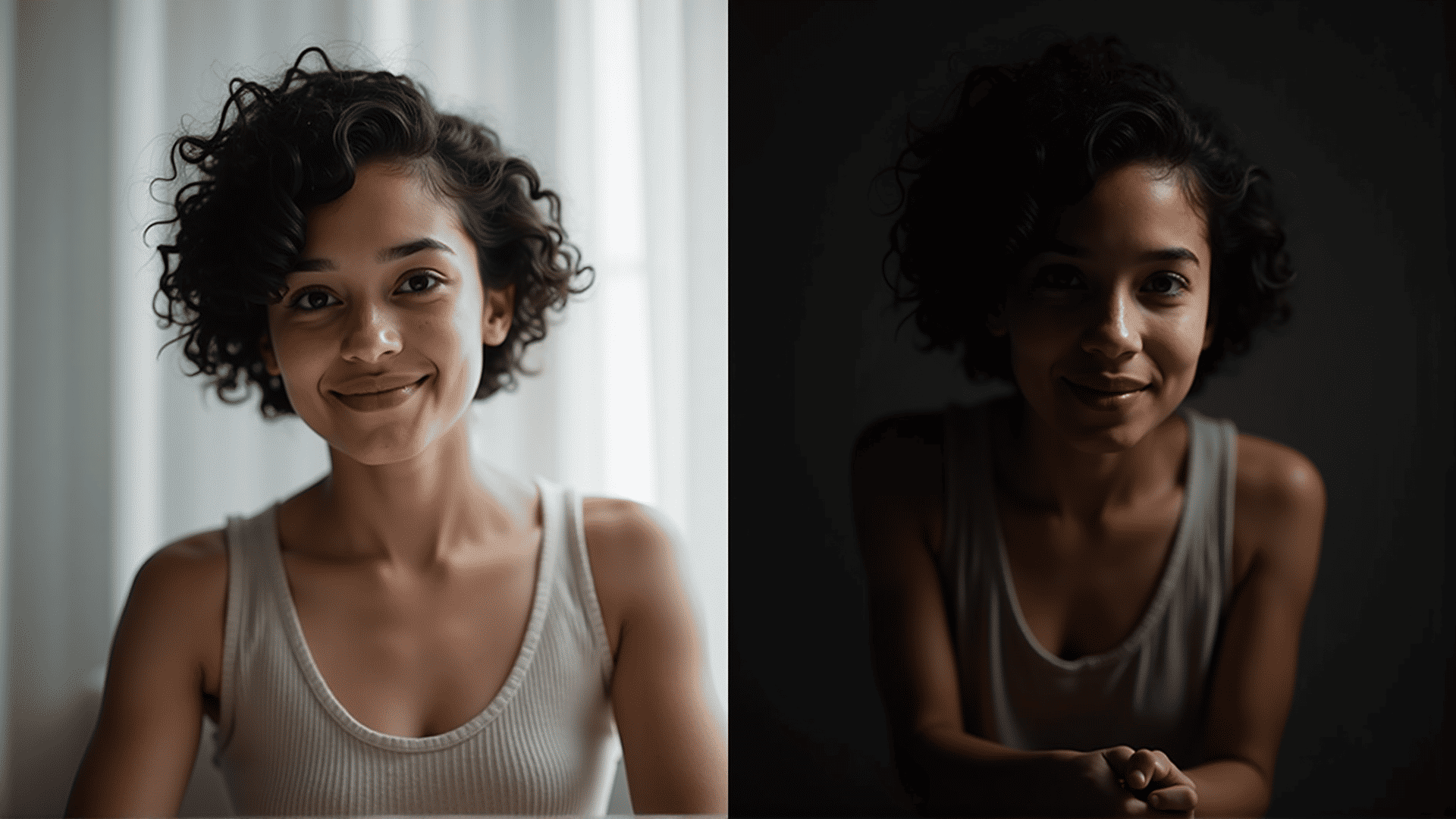
Lighting is a crucial element that significantly influences the outcome of any photograph. The right lighting enhances the mood, highlights the subject, and adds depth and dimension to the photograph. Whether you're shooting portraits, landscapes, or still life, understanding diverse lighting techniques can dramatically elevate the quality and impact of your images.
Natural Light
Natural light is one of the most accessible and versatile sources available to photographers. It varies throughout the day, providing different opportunities to capture unique images. The soft, diffused light during the golden hours—shortly after sunrise and just before sunset—gives a warm, flattering glow. Midday sunlight, while harsh, can be used creatively to create dramatic shadows and highlights. Overcast days offer a soft, even light that reduces shadows and is excellent for portrait photography.
Studio Lighting
For those who wish to have complete control over their lighting setup, studio lighting is ideal. Key components of studio lighting include the key light, fill light, and backlight. The key light is the primary source that dictates the overall exposure and mood. The fill light, usually softer, reduces shadows cast by the key light. The backlight helps separate the subject from the background, adding depth to the image.
Controlling Light Intensity and Direction
Modifiers are essential for controlling the intensity and direction of light. Reflectors bounce light back onto the subject, softening shadows and adding subtle highlights. Diffusers spread the light, producing a softer, more even illumination. Snoots and grids focus the light, creating dramatic effects and allowing for precise lighting.
Accent Lighting
Accent lighting is used to emphasize specific elements within a photograph. Rim lighting, for instance, outlines the subject with light, creating a dramatic silhouette. Highlighting particular elements, such as eyes in a portrait or textures in a still-life scene, can add interest and draw the viewer’s attention to these details.
Color Temperature and White Balance
Understanding color temperature is vital in achieving the desired mood and accuracy in your photographs. Different light sources emit light at different temperatures, measured in Kelvin (K). For instance, tungsten lights produce a warm hue, while fluorescent lights tend to be cooler. Adjusting the white balance in your camera settings ensures that the colors in your photos remain true to life.
Creative Techniques
Experimenting with creative lighting techniques can lead to unique and memorable photographs. Long exposure can capture light trails or smooth out moving water, creating ethereal images. Light painting, achieved by moving a light source during a long exposure, allows for imaginative and abstract designs.
Mastering lighting techniques requires practice and patience. By experimenting with different setups and understanding how light interacts with your subjects, you can transform ordinary photos into extraordinary works of art. Whether working with natural light or setting up a complex studio arrangement, remember that light is your most powerful tool in crafting compelling and captivating photographs.