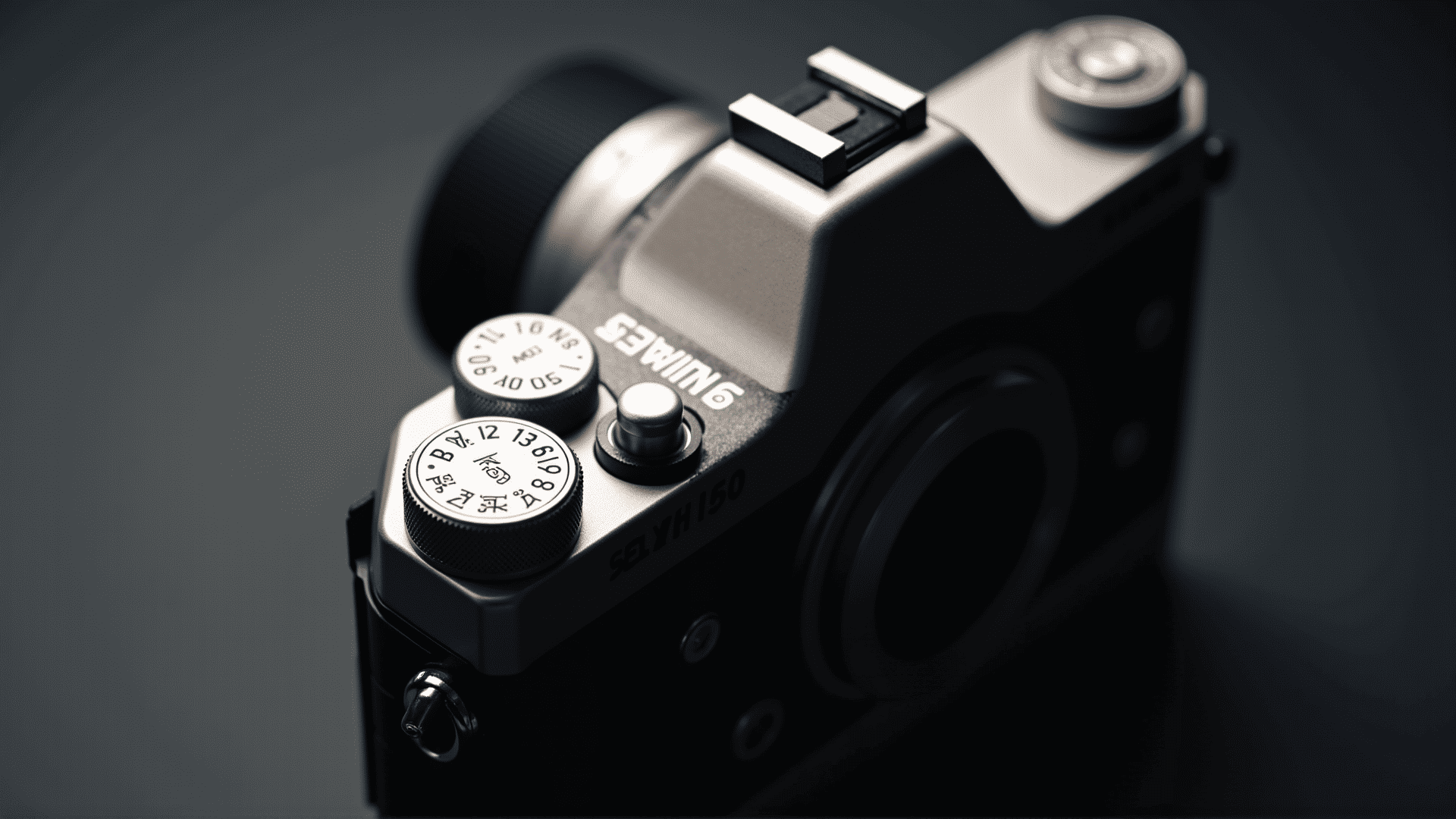
Understanding your camera's settings is crucial for capturing breathtaking photographs. Whether you're a newbie or just looking to enhance your skills, gaining knowledge of components like ISO and aperture will greatly aid in taking quality images.
ISO: The Sensitivity to Light
The ISO setting on a camera controls its sensitivity to light. Think of it as a way to adjust how much light the camera's sensor needs to produce a visible image. In low light situations, a higher ISO setting is preferable because it makes the sensor more sensitive, allowing for clearer images with less natural light. However, be cautious: increasing ISO too much can result in grainy images. Practice adjusting the ISO to find a balance that works for the lighting conditions you’re shooting in.
Aperture: The Eye of Your Lens
Aperture refers to the size of the lens opening when a photo is captured. It is measured in f-stops, such as f/2.8, f/4, or f/16. A smaller f-stop number results in a larger opening, which allows more light to enter the camera. This is perfect for low-light situations or when you desire a blurred background effect, known as bokeh. Conversely, a larger f-stop (smaller opening) is beneficial for landscape photography, where you want the entire scene to remain in sharp focus.
Navigating Shutter Speed
Shutter speed determines how long the camera's shutter remains open when taking a photo. This setting influences the clarity of moving subjects and the overall brightness of the image. Faster shutter speeds (like 1/1000 of a second) are ideal for freezing motion, such as fast-moving sports, while slower speeds (like 1/30) work well for capturing more light in dark settings but may introduce motion blur if not carefully managed.
Utilizing White Balance
White balance adjusts the color temperature of your images, ensuring that whites appear white under different lighting conditions. This setting helps accommodate various light sources, from sunny days to indoor fluorescent lights, retaining the natural color of the scene. Experiment with different white balance settings in your camera to see how they impact the mood and tone of your photographs.
Exploring Focus Modes
Understanding focus modes is essential for achieving sharp images. Most cameras offer different modes such as single, continuous, and manual focus. Single focus locks on a stationary subject, ideal for portraits. Continuous focus tracks moving subjects, essential for dynamic scenes like wildlife photography. Manual focus gives you control to precisely adjust focus, especially helpful in low-light or creative settings.
The Role of Image Stabilization
Image stabilization minimizes the blurriness caused by shaky hands or movement. Most cameras and lenses offer this feature, allowing you to shoot with slower shutter speeds without sacrificing image clarity. This is crucial for hand-held shooting or when using long lenses.
Experiment for Mastery
Adjusting all these settings might seem overwhelming at first, but experimentation is key. Try shooting the same scene with different settings to see how each setting impacts the final image. By doing so, you'll develop an intuitive understanding of how to configure your camera for various situations.
Understanding and mastering your camera settings opens up a world of creative possibilities. With practice and patience, you'll be able to capture the stunning images you envision, improving your photographic skills with every click. Happy shooting!