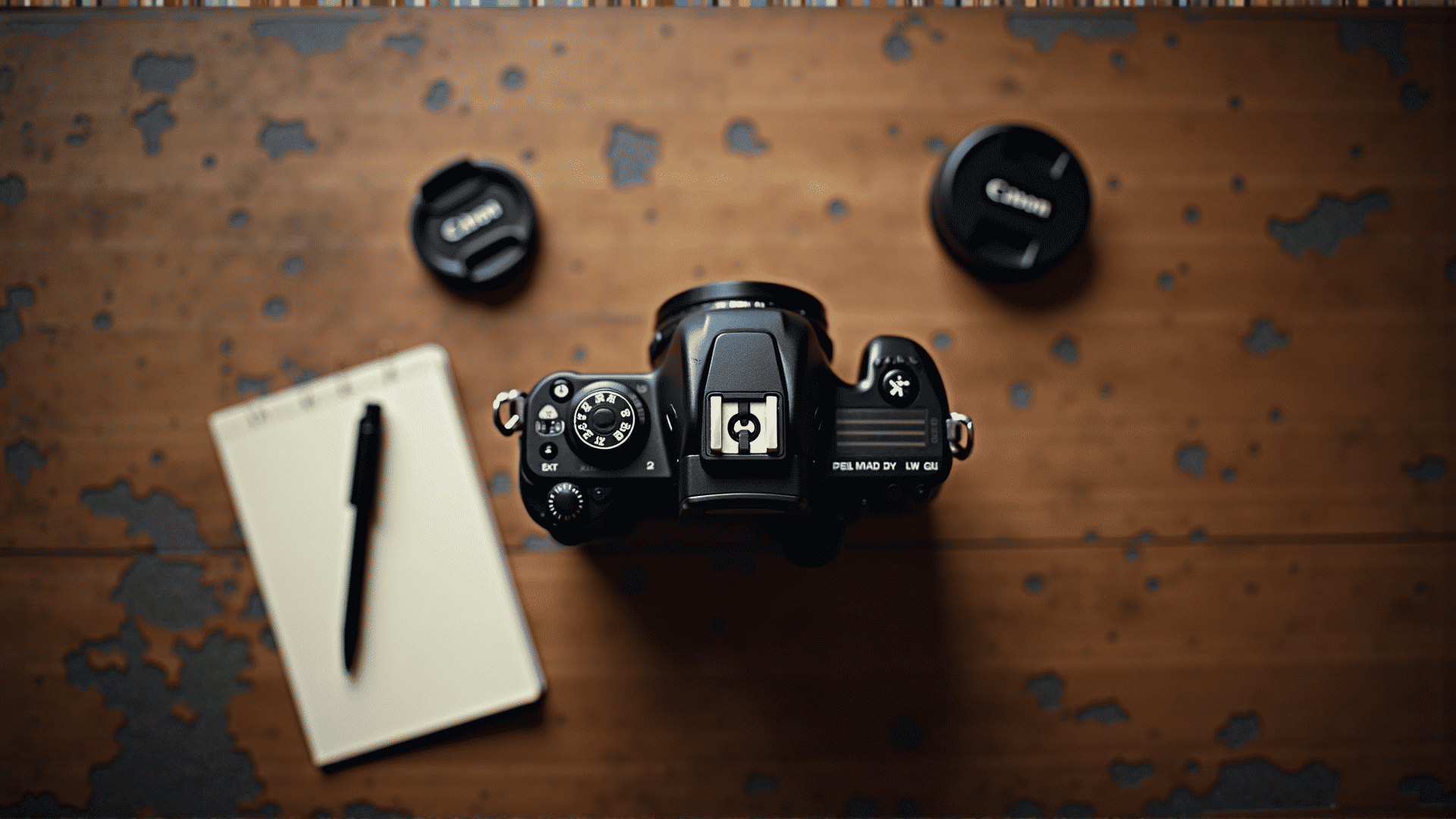
Understanding camera settings is crucial for anyone looking to improve their photography skills. The three primary settings that significantly impact your images are aperture, shutter speed, and ISO. Mastering these can transform ordinary shots into visually striking photographs.
Aperture
Aperture refers to the opening in a camera lens through which light passes. It is measured in f-stops, such as f/2.8, f/4, f/5.6, etc. Smaller numbers represent larger apertures, allowing more light to reach the camera sensor. This is ideal for low-light environments or achieving a shallow depth of field, where the subject is in sharp focus against a beautifully blurred background. Larger f-stop numbers, indicating smaller apertures, are suitable for capturing landscapes where you want most of the scene in focus.
Shutter Speed
Shutter speed determines how long the camera’s shutter remains open to let light in. It is measured in seconds or fractions of a second, such as 1/2000, 1/500, or 1/30. Faster shutter speeds freeze motion, making them perfect for action shots or when photographing moving subjects. In contrast, slower shutter speeds can create a sense of motion with flowing water or light trails. However, when using slow shutter speeds, it's advisable to keep the camera steady to avoid blur.
ISO
ISO measures the camera sensor's sensitivity to light. A lower ISO value, like 100 or 200, is best used in bright lighting conditions to produce the highest image quality with minimal noise. Higher ISO settings, like 1600 or 3200, are beneficial in dim conditions, but be cautious as they can introduce noise or graininess to photos. Adjusting ISO, along with aperture and shutter speed, helps achieve the right exposure for your image.
Balancing the Exposure Triangle
Mastering the interplay between aperture, shutter speed, and ISO, known as the exposure triangle, is essential for achieving well-exposed images. For instance, if you find yourself in a poorly lit setting, you might consider widening the aperture or boosting the ISO to maintain a fast-enough shutter speed and avoid blur. Conversely, shooting in bright sunlight may require narrowing the aperture or lowering the ISO to prevent overexposed images.
Practice and Experimentation
The key to learning is practice. Experiment with different settings to see their impact on your photos. Try shooting the same scene with various aperture values to understand depth of field changes or use different shutter speeds to capture both sharp and motion-blurred images. With time and experimentation, adjusting these settings will become intuitive, helping you to capture stunning images in any environment.
By honing your skills in adjusting these fundamental camera settings, you will be better equipped to take creative control over your photography and consistently capture breathtaking images.