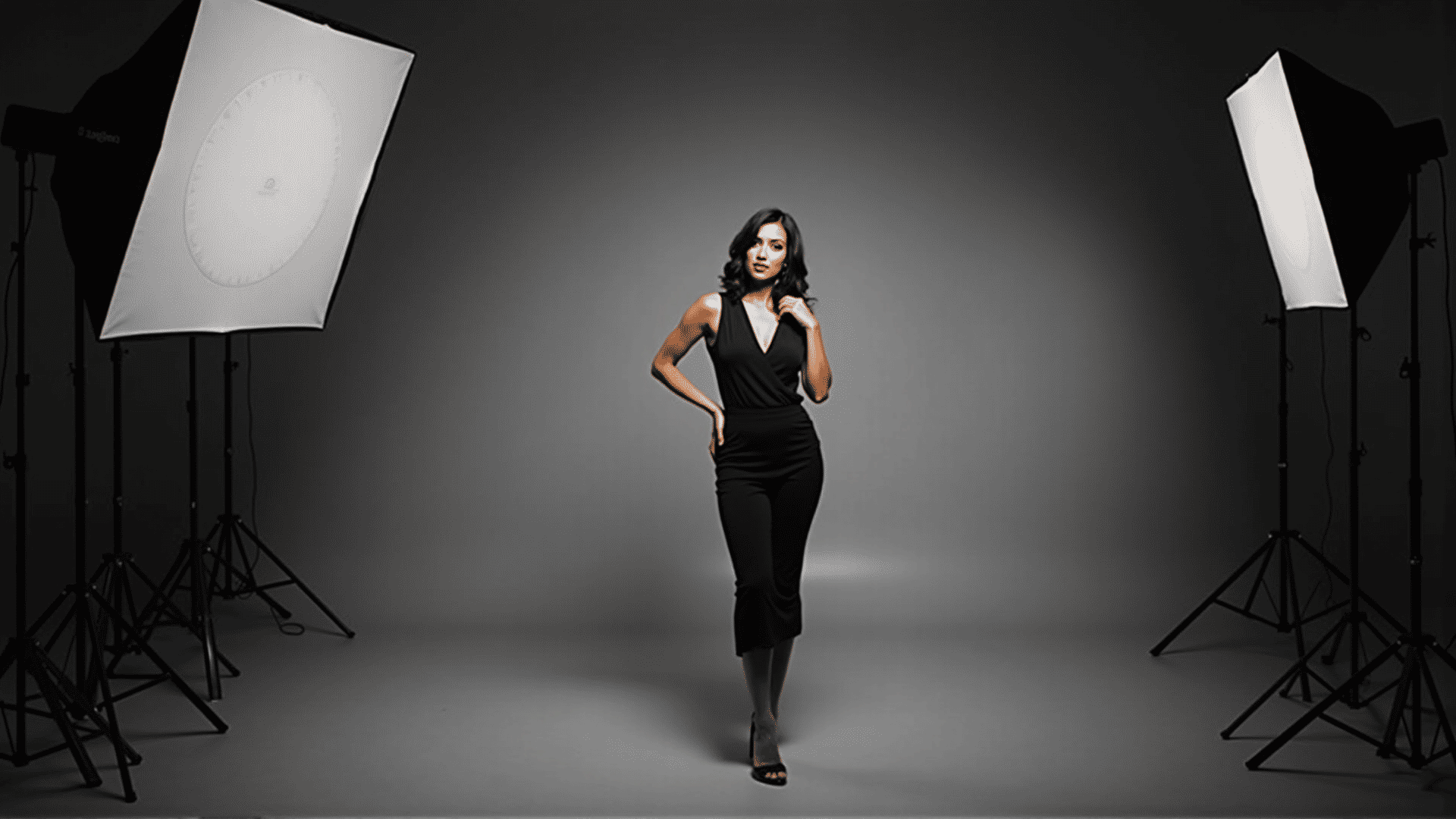
Photography is not just about what you see through the lens; it's largely about how you manipulate light to create compelling images. Mastering different lighting techniques can significantly enhance your photographic skills and provide your images with depth, mood, and a strong narrative. Whether you’re a beginner or an experienced photographer, understanding and utilizing different forms of lighting will elevate your craft.
One of the most natural and easily accessible forms of lighting is sunlight. Natural light can add a soft and authentic feel to your photographs. The key to using sunlight effectively is the timing and positioning. The golden hour, which occurs shortly after sunrise and before sunset, provides a warm, diffused glow that is ideal for portraits and landscapes. During this time, the sunlight is softer and creates longer shadows, adding texture and dimension to your images.
For more controlled lighting, studio setups offer a range of possibilities. Studio lights like strobes and continuous lights provide consistent illumination and the flexibility to modify intensity, angle, and direction. A popular technique in studio lighting is the use of a key light, fill light, and backlight to create a three-dimensional effect. The key light is the main source of light, the fill light balances shadows, and the backlight helps in separating the subject from the background.
Reflectors and diffusers are valuable tools in both natural and studio lighting. Reflectors bounce light, allowing photographers to fill in shadows without introducing artificial light sources. They are particularly useful in portrait photography to create even skin tones and reduce harsh shadows. Diffusers, on the other hand, soften the light, making it ideal for situations where a gentle, even spread of illumination is required.
For those seeking to add dramatic impact to their photos, low-key lighting can be incredibly effective. This technique involves using a minimal amount of light to highlight specific areas of an image while leaving other parts in shadow. It is excellent for creating a sense of mystery or tension in an image, often used in portrait photography or still life.
Conversely, high-key lighting emphasizes brightness and minimizes shadows, resulting in images that are bright and airy. This style is generally favored in fashion and beauty photography, where the objective is to create a clean and vibrant look.
The use of colored gels can also transform an image by adding hues and setting a particular mood. Colored lighting can alter the atmosphere of a scene, conveying emotions like warmth, excitement, or tranquility. Experimenting with different color combinations can lead to creative and unexpected results.
In mastering the art of lighting, the most important tool is your willingness to experiment and learn through practice. By understanding the principles of lighting and how they influence the aesthetic of your photographs, you can begin to tell stories with light and shadow, capturing moments with intention and creativity. Every photograph becomes an opportunity to craft something unique and expressive, bringing your artistic vision to life.